
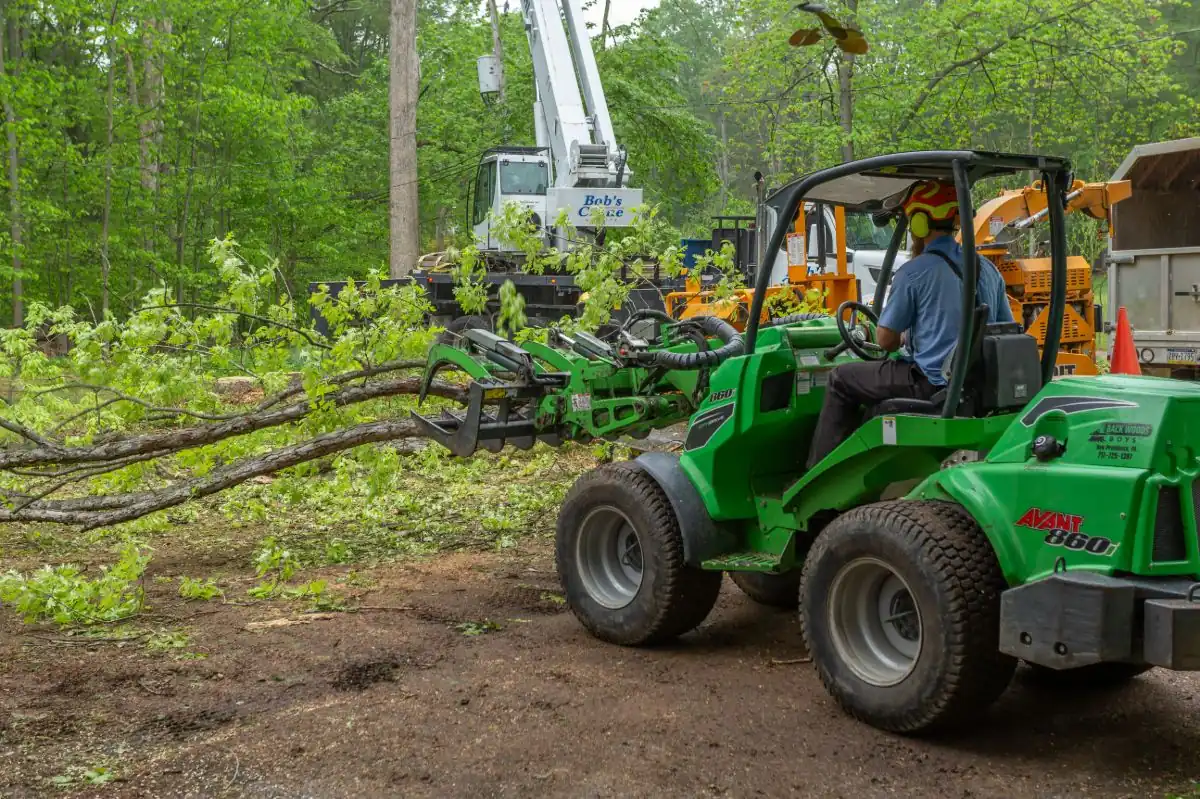

Preparing a property for sale comes down to three things: fix what a buyer or inspector will flag, make the place look cared for, and clear whatever hides the property’s real size and shape. Most checklists cover the first two. The third matters just as much when the lot is overgrown, the stumps are still standing or the gravel driveway has washed out. In the Cincinnati area, we clear brush, grind stumps and rebuild gravel drives with forestry mulching, so the cleanup is done without burning or hauling.
This guide is for homeowners getting ready to list, agents advising a seller, and landowners selling a lot or acreage. It puts the work in order, with sources, and shows where outdoor work pays off.
TL;DR
- Start with safety and function: leaks, electrical hazards, loose railings and anything an inspector would put in a report. Cosmetics come after.
- Declutter first, then deep clean, then handle the exterior. Buyers form an opinion of the home before they reach the door.
- Skip big-ticket projects such as a kitchen remodel or new landscaping. Spend on cheap fixes that make the property look maintained.
- Overgrown brush, dead trees, stumps, invasive honeysuckle and a rutted gravel drive are visible problems. Clearing them is often the fastest way to improve photos and showings.
- Get a quote before you list so you can decide what is worth doing. Our instant pricing calculator gives a number for clearing work.
Table of Contents
- Start with what buyers and inspectors will find
- Declutter, clean, then step outside
- Curb appeal: what is worth doing
- When the problem is overgrown land
- The gravel driveway
- A budget order that works
- Why not wait for the buyer to deal with it?
- Promo: clearing before you list
- Our perspective
- FAQ
- Sources
Start with what buyers and inspectors will find
The first pass is not about looks. Freddie Mac advises starting with the small repairs that have sat on your to-do list for years: a leaky faucet, a broken door handle, a cracked windowpane. Buyers read those as signs of how the whole house was kept.
Then move to what affects safety, function and durability. A home inspector quoted by Florida Realtors in December 2025 lists leaks, electrical hazards, loose handrails, rotted exterior components, clogged gutters, and missing smoke or CO alarms and GFCI outlets. These turn up in inspection reports, and water intrusion, mold, roof and foundation problems cause the most friction in a transaction.
Two points on disclosure and inspections:
- The National Association of Realtors says a pre-sale inspection is not required but can show you what to repair before showings. For big items like a roof or HVAC, get cost estimates even if you won’t fix them, so you know what buyers may ask for.
- AARP reports that sellers are generally required to disclose known major flaws, including ones found in a pre-listing inspection. The Minnesota Attorney General’s handbook likewise warns that you are liable for problems you know about but don’t disclose. Disclosure rules differ by state, so ask your listing agent what Ohio, Kentucky or Indiana requires of you.
Cosmetic work should never cover a defect. Fix the cause, then make it look good.
Declutter, clean, then step outside
AARP’s expert advice puts decluttering ahead of everything else, because buyers want to see space. Start in a small room with little sentimental attachment so you build momentum. Avoid parking “maybe” items in storage: they become deferred decisions that cost monthly fees.
After that come a deep clean inside and out, neutral paint and warm lighting where it is dated. Do the exterior last in the sequence but early in the calendar if the job is big. Brush clearing, stump work and driveway repair depend on weather and ground conditions, and they can’t be rushed in the week before photos.

Curb appeal: what is worth doing
CapCenter’s November 2026 yard guide points out that buyers often decide how they feel about a home before they reach the door, and that the front exterior photo is usually the first image they see online. So the front of the property does more work than any single room.
A practical audit:
- Photograph the front as if it were the listing photo. Zillow suggests asking a friend to point out defects you’ve stopped noticing.
- Remove clutter. It costs nothing.
- Prune overgrowth. NAR advises trimming bushes and branches that block windows or architectural details.
- Clean and repair surfaces. Zillow lists pressure washing at a $50 to $75 per day rental, and small repairs at $15 to $300.
- Refresh the beds and lawn. CapCenter recommends mulching beds, mowing and edging while the home is listed, and seeding bare spots early because new grass needs time to fill in.
- Fix small exterior things that look broken. CapCenter notes this also keeps minor items off the inspection report.
If you are weighing which improvements fit a budget, these ways to boost curb appeal are a good prompt for the front of the property.
Some things are not worth doing. CapCenter says to skip large projects like new hardscaping, a pool, mature trees or a full landscape redesign, since they cost a lot and rarely return it. Opendoor puts a midrange kitchen remodel at about 49.5% cost recovery and suggests skipping it. Its rule of thumb: if a repair costs more than twice the value it adds, adjust the price or offer a credit instead.
When the problem is overgrown land
Curb appeal advice assumes a mowed lawn and a few shrubs. Plenty of properties around Cincinnati, Lebanon and Maineville are different: a fence line swallowed by briars, a back lot of saplings, dead trees leaning toward a neighbor, or a half-acre that no buyer can walk. Here, trimming won’t do it.
Overgrowth hurts a sale in three ways:
- It hides the property. Buyers can’t see lot lines, usable ground or the house’s setting. Photos look neglected.
- It signals deferred maintenance. The same logic Freddie Mac applies to a leaky faucet applies to a yard that has gone wild.
- It blocks a buyer’s plans. A builder or a family wanting a garden has to price in clearing, and they will price it high or move on.
Choose the right method for the vegetation
Brush, saplings and small trees are cleared in one pass with forestry mulching. A mulching machine grinds the vegetation where it stands and leaves a layer of mulch on the ground. There’s no burn pile and nothing to haul away. That is what we do, and it suits a seller well: the lot looks cleared right away and the ground is covered rather than bare. See our pages on forestry mulching and brush clearing and removal.
For a fenced boundary or a survey line, fence line and property line clearing shows buyers exactly where the property ends. For fields that have gone to weeds, bush hogging and field mowing bring them back to open ground.
Stumps and dead trees
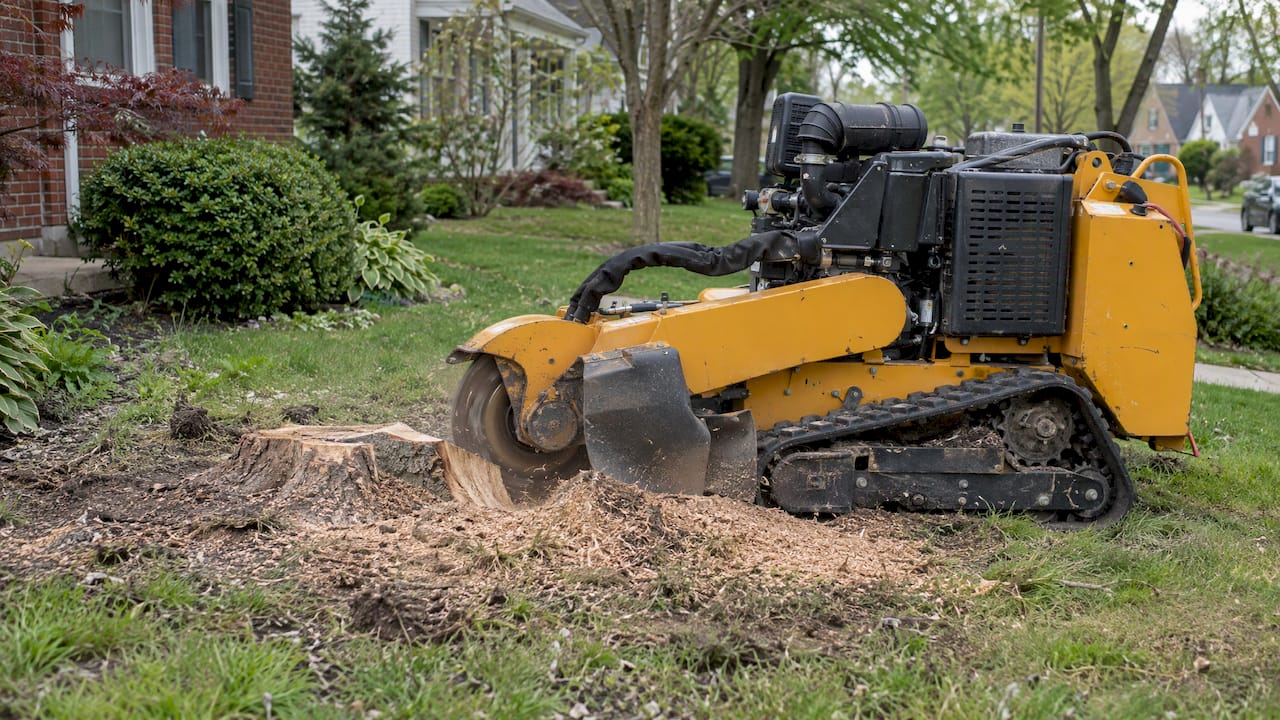
A stump in the front yard reads as unfinished work. Stump grinding takes it below grade so the spot can be seeded or mulched. Dead trees near the house or driveway are also a safety item that an inspector or buyer will notice, so deal with them before photos. Our stump grinding service covers stump removal and cleanup. We also take down old sheds, garages, fences and pools that drag down a listing.
Invasive honeysuckle
Amur honeysuckle is common in southwest Ohio and northern Kentucky woodlots, and it forms thick walls of stems that bury a lot. The University of Illinois Extension’s 2025 guide notes that young plants can be pulled when the soil is moist because their roots are shallow, while cut stumps of larger plants need herbicide treatment within 10 minutes of cutting, and seeds must not be spread during control. That is why a quick mow rarely solves it: a plant cut without follow-up comes back.
Virginia’s Department of Conservation and Recreation adds that invasives spread across property lines, so working with neighbors helps, and that starting work is the most important choice. For a seller, that means clearing the worst of it before listing rather than waiting for a perfect plan. Our honeysuckle removal is built for this problem.
Land for sale, not a house
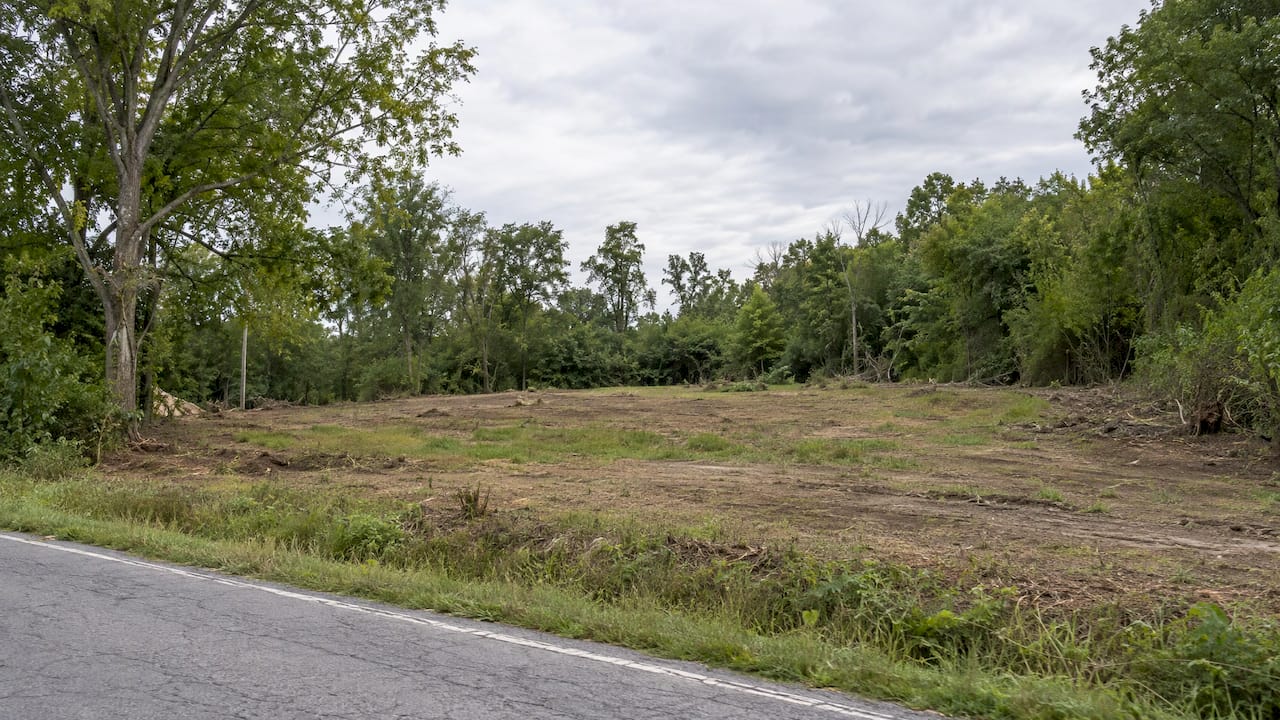
If you are selling vacant land, clearing is the preparation. A buyer picturing a home site wants to see where the building could go. We handle land clearing for construction and site prep, so a developer or a family can see a clean, workable lot. For acreage, you can clear the key areas: the road frontage, a building pad and the boundary lines. A partly cleared lot often shows better than one that is untouched, and you control the cost.
The gravel driveway
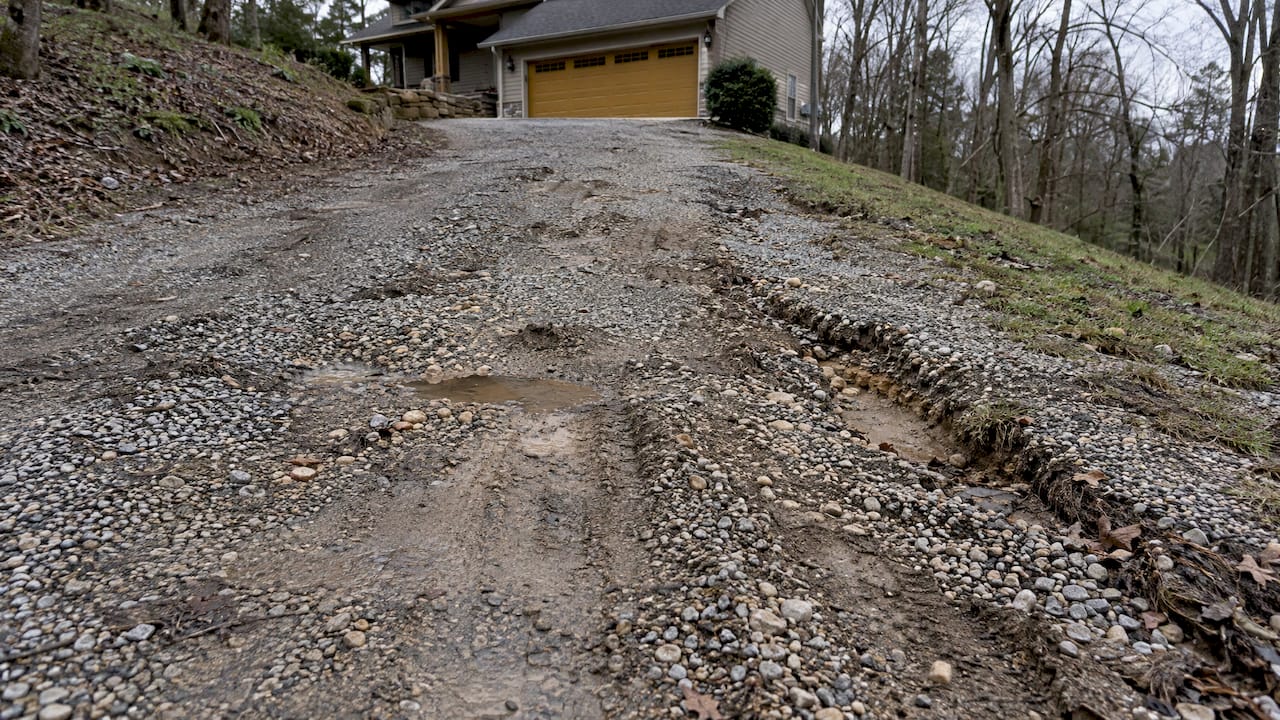
For many rural and semi-rural properties, the driveway is the first thing a buyer drives over. Ruts, potholes and washouts say “needs work” before anyone steps inside. NAR recommends repairing driveway cracks and cleaning oil spots as part of curb appeal, and gravel is no different.
A durable repair follows a sequence:
- Find why it failed. Most washouts and ruts come from water. If drainage isn’t fixed, new stone will wash out again.
- Remove loose, damaged material and soft spots.
- Rebuild with a compacted base, then angular crushed stone. Angular stone locks together when compacted. Rounded stone rolls.
- Shape the surface with a slight crown so water runs off.
The sequence is simple, but the result depends on compaction and grading, which is where a one-weekend fix tends to fail. We do gravel driveway repair and installation in the Cincinnati area. If you’re deciding what to do about a rough entrance, our posts on driveway entrance repair and repeat driveway washouts explain when a quick patch is enough and when the drive needs rebuilding.
One caution from the other side: a minor crack or a bit of wear doesn’t always need work. HomeLight lists minor driveway or sidewalk cracks among things sellers can usually skip. Reserve the repair for ruts, potholes and washouts that a buyer would see from the street.
A budget order that works
Sellers often ask what to do first when money and time are limited. This order follows the evidence above:
| Priority | What | Why |
|---|---|---|
| 1 | Safety and function: leaks, electrical hazards, railings, alarms | Inspectors flag these and they cause the most deal friction |
| 2 | Declutter and deep clean | Buyers want space and a cared-for feel |
| 3 | Overgrowth, dead trees, stumps, rutted drive | The first photo and the first impression |
| 4 | Low-cost cosmetics: paint, hardware, lighting, mulch | Cheap and visible |
| 5 | Big projects | Usually skipped; price or credit instead |
On what these cost, Zillow cites a Zillow and Thumbtack analysis showing sellers who hire professionals to ready a home spend an average of $5,380. Clearing and driveway work are priced by the job, so get a number early. Our instant pricing tool gives one, and we offer flexible financing for larger jobs.
Why not wait for the buyer to deal with it?
It is tempting to list as-is and let the price absorb the work. For a house with a tidy yard, that can work. For an overgrown lot, buyers tend to over-estimate the cost and effort, and the property photographs poorly, so fewer people ever come. Clearing first lets you show the real property. It also gives your agent something concrete to say about the lot.
That is also why timing matters. Clearing ahead of the listing, rather than the week before, leaves time for grass seed to take and for any follow-up work.
Promo: clearing before you list
If your property needs more than a mowing, we clear it. Our services include forestry mulching, brush removal, honeysuckle removal, stump grinding, gravel driveway repair and installation, fence line clearing and small demolition, for homes, lots and acreage in the Ohio-Kentucky-Indiana tri-state area. Our one-pass mulching leaves no burn pile and no waste to haul, and we handle jobs of any size. Start with the instant pricing calculator or see all of our services.
Our perspective
When we walk a property that is about to be listed, the question is always the same: what will a buyer see in the first ten seconds? On an overgrown lot, the answer is the vegetation, not the land.
That is why we think clearing belongs near the top of a seller’s list, ahead of decorating. A cleared fence line, ground-down stumps and a firm, well-graded driveway make a property look looked-after, and they cost far less than a kitchen remodel that the research says returns about half its cost.
Our approach is built around one pass. Forestry mulching grinds brush and small trees where they stand, so there is nothing to burn and nothing to haul out. For a seller, that means a faster path from overgrown to ready to photograph. We take jobs of any size, give pricing up front and offer financing for bigger projects, so you can decide what the work is worth before you list.
Yoshua
FAQ
What should I do first when preparing a property for sale?
Start with repairs that affect safety and function, plus the small fixes you’ve put off for years. Then declutter and deep clean. Handle the exterior next, including overgrowth and the driveway, because it shapes the first photo buyers see.
Is it worth clearing brush and trees before selling?
Usually, yes, when the growth hides the lot lines, the house or the usable ground. Clearing makes the property easier to photograph and show. Large landscaping redesigns are different: CapCenter advises skipping them, but cleaning up what is overgrown is a low-cost way to show the land.
Do I have to disclose problems with my property?
Sellers are generally required to disclose known major flaws, and rules vary by state. Ask your listing agent or a real estate attorney what applies in your state before you list. Fix what you can, and disclose what you know.
Should I repair a gravel driveway before listing?
If it has ruts, potholes or washouts, yes, since it is the first surface a buyer drives on. Fix the drainage cause, then rebuild with a compacted base and angular crushed stone. Minor wear can usually wait.
How far ahead of listing should I do exterior work?
As early as you can. Clearing and grading depend on weather and ground conditions, and new grass needs time to fill in. Aim to finish before listing photos are taken.
Sources
- Preparing your home to sell, Freddie Mac
- Use These 10 Expert Tips to Get Your Home Ready to Sell, AARP
- Consumer Guide: Preparing to Sell Your Home, National Association of Realtors
- Prioritizing Repairs Before Selling a House, Florida Realtors
- Keeping up Appearances, Minnesota Attorney General Home Sellers Handbook
- Prepping your yard to sell, CapCenter
- How to Improve Curb Appeal Before Selling, Zillow
- How To Add Curb Appeal, National Association of Realtors
- What to Fix Before Selling a House, Opendoor
- Don’t Fix These 7 Things When Selling Your House, HomeLight
- Invasive Plants and Pests of Illinois, University of Illinois Extension
- The Private Landowners Guide to Invasive Plant Management, Virginia DCR